Harriet Beecher Stowe wrote Uncle Tom’s Cabin in the early 1850’s. It was published in book form in 1852 to highlight the plight of slaves and bring attention to the mistreatment they received. That book wove its way into the tapestry of American public opinion and in less than 12 years, Stowe’s book was being read all over the nation.
Inspiring Others to See the World Through Different Eyes
Stowe’s deft ability to pour her heart out on the page and forge an emotional connection through her characters with her audience led many who might otherwise have been content to remain silent about slavery, uncertain about their right or need to take a stand, to rise up and decide it was time to do something about the situation.
The characters, all based on real people and real events, served the purpose of humanizing the plight of slaves and causing readers to feel it as if it were happening to them. Their conscience would no longer let them remain quiet.
Legislation That Divided a Nation
Stowe took an active hand in this, encouraging her growing followers to use their influence to collect petitions against slavery, spread information, and give lectures about it. Anti-slavery sentiment began to rise, inspired by her words and by the growing popularity of the movement to abolish it, but the result was a nation divided by Civil War.
Abraham Lincoln, upon greeting Stowe, is said to have joked, “You’re the little woman who wrote the book that started this great war.”
Less than 80 years after the Civil War began, Stowe achieved a part of her desired outcome: slavery is no longer legal. However, what remains in its wake is a nation that is racially divided. Attempts to pass laws to force the races to unify have only resulted in resentment and further divisions.
Growing Racial Divisions and Tensions
Like a dysfunctional family, the various races talk about one another rather than to one another. Tensions are mounting and there are threats on all sides being tossed out of another civil war.
The last Civil War cost America 620,000 lives, or nearly 2% of the population. If it were to take place in this day and age, that would be the equivalent of more than 6 million lives. Moreover, it would solve nothing. Rather than closing the gap between the races, it would only serve to widen it.
There’s a price we pay for every action we take, and for our choices in how to handle the challenges of racial division. A book brought the issue of slavery to the forefront of the American mind and led people to take action. We know that a book can do that same thing again, but what we propose to do that Stowe did not do is equip our followers with tools for civil discourse.
Changing Hearts and Minds Rather Than Laws
Legislation will not change the human heart. Feelings or sentiments can’t be outlawed. It is impossible to mandate a change of perspective or viewpoint in a manner that respects freedom of speech. With the right tools, the right leadership, and the right conversations, though, people can be persuaded to change their minds. They can be shown a different perspective or viewpoint and be invited to explore it.
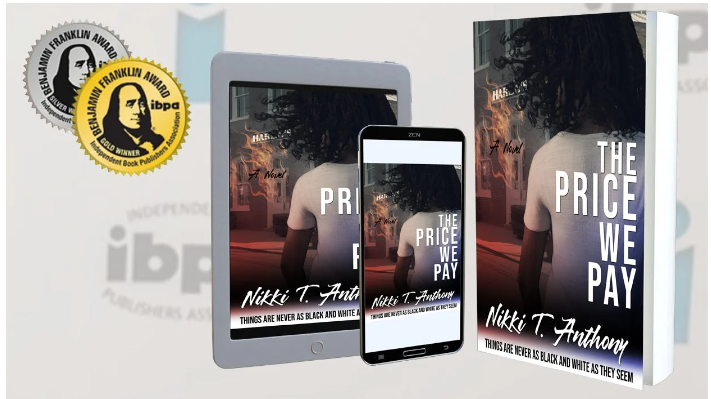
That’s why, at Path To Publishing, we are crowdfunding a movement that will leverage our upcoming novel, The Price We Pay, to help change the conversation around race relations. By allowing them to look at the world through the eyes of Zenetta Henchman, we hope to give them a taste of what life looks like from a different point of view and so expand their perspective.
Equipping People with the Training to Lead Conversations
We know that people will need training in how to lead the difficult conversations the novel will inspire, so we’re also providing the Magnetic Thought Leadership Training required. We know that these conversations will require navigating sensitive racial topics, so we’re preparing a Study Guide to help those who are bold enough to try get the guidance they need to be successful. And, finally, as Stowe herself did, we’re working to build a LEADERS community where those who participate can find the guidance and support they need to overcome the inevitable challenges.
A civil war won’t help our nation heal. It won’t end the racial divisions. But a novel approach to race relations just might. Discover more about our crowdfunding campaign by visiting the pre-launch page and sign up to #JoinTheConversation at https://bit.ly/3B3iY0g.